


News & Information
Don't Confuse Them! What Is Calcium Hypochlorite?
In industrial disinfection, water treatment, and bleaching operations, calcium hypochlorite is a widely used basic chemical raw material. Many people commonly confuse calcium hypochlorite, hypochlorous acid, and bleach, which can lead to incorrect product selection, improper use, and poor storage practices. In industrial settings in particular, using an unsuitable substitute or confusing product types not only reduces operational effectiveness but can also cause equipment corrosion and safety hazards. Today, we’ll take a systematic look at industrial-grade calcium hypochlorite and clarify some common misconceptions.
Commonly known as bleaching powder or chlorinated lime, calcium hypochlorite is a white, powdery or granular industrial chemical with a slight chlorine odor. It dissolves readily in water and slowly releases available chlorine when exposed to water or moisture. It has oxidizing, disinfecting, bleaching, and decolorizing properties. Unlike consumer disinfectants, industrial-grade calcium hypochlorite has a higher available chlorine content and stronger oxidizing capacity, with stability better suited to large-scale industrial operations. It is mainly used in industrial wastewater treatment, swimming pool disinfection, industrial textile bleaching, and large-scale disinfection of public areas. It should not be treated as equivalent to household, mildly acidic hypochlorous acid disinfectant.
One common misconception among industry professionals is confusing calcium hypochlorite with hypochlorous acid. Their names are similar, but their properties, uses, and applications are entirely different. Industrial calcium hypochlorite is a solid salt formed from a strong base and a weak acid. It is more stable and easier to transport over long distances and store for extended periods, making it suitable for bulk use in factories. Hypochlorous acid, by contrast, is usually a liquid, mildly acidic solution with a short shelf life that decomposes readily. It is mostly used for everyday consumer disinfection and cannot meet the needs of high-intensity industrial treatment. This is why calcium hypochlorite is the preferred choice for industrial operations.
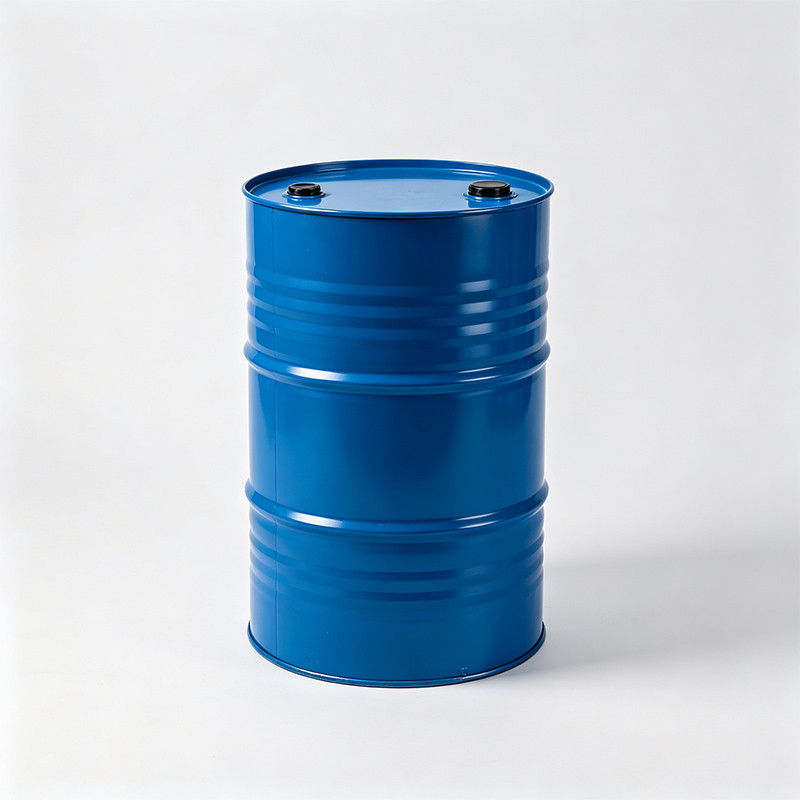
Many people also equate calcium hypochlorite with ordinary bleach, another common misconception. Liquid bleach products on the market are mostly diluted sodium hypochlorite solutions with low available chlorine content, suitable for light cleaning and bleaching. Industrial calcium hypochlorite has a higher available chlorine content and stronger oxidative decomposition capacity. It can provide in-depth treatment of organic matter in industrial wastewater, microorganisms in water, and pigments in industrial fabrics, making it far more suitable for industrial applications than ordinary bleaching agents.
Although industrial calcium hypochlorite is highly practical, it also presents certain risks due to its chemical properties. Its powder and dust are irritating, and prolonged inhalation can irritate the respiratory tract and mucous membranes. When exposed to moisture, it can readily decompose and produce chlorine gas; accumulation in an enclosed space can cause discomfort. It must never be stored or used together with acidic substances, ammonia water, or reducing chemicals. Contact between them can trigger a chemical reaction and release toxic and hazardous gases, potentially causing an accident.
Industrial calcium hypochlorite must be stored and handled in accordance with strict requirements. It should be kept in a dedicated storage area that is dry, well ventilated, cool, and protected from light, away from moisture and acidic or alkaline chemicals to prevent decomposition and loss of effectiveness. During handling, wear a dust mask and protective gloves, avoid direct skin contact and inhalation of dust, and ensure adequate ventilation to maintain a safe working environment.
In summary, calcium hypochlorite is a disinfecting and bleaching agent intended for industrial applications and is fundamentally different from consumer disinfectants. Understanding the differences among various chlorine-containing chemicals, avoiding vague or generalized assumptions, and following industrial requirements for storage, handling, and use are essential to realizing its industrial value, avoiding chemical handling hazards, and ensuring stable industrial operations.
Other News
- Key Points for the Storage and Transportation of 2,2′-Azobis(2-methylbutyronitrile)
- What Are the Differences Between High-Purity Thiourea and Standard Industrial-Grade Thiourea?
- Beware of Safety Risks! Precautions for Storing Calcium Hypochlorite
- Don't Confuse Them! What Is Calcium Hypochlorite?
- Sodium Hydroxide (Caustic Soda) Safety Guide
- Caustic Soda ≠ All-Purpose Cleaner! Learn About the True Properties of Sodium Hydroxide