


News & Information
Key Points for the Storage and Transportation of 2,2′-Azobis(2-methylbutyronitrile)
Azobisisoheptonitrile is a low-temperature initiator commonly used in industrial polymer synthesis. It is widely applied in the production of acrylic resins, plexiglass, rubber polymers, and foamed materials. This chemical has unique properties and is sensitive to temperature, vibration, and storage conditions, making storage and transportation critical stages for safety management. Many chemical industry accidents stem from improper storage and transportation practices or inadequate storage management. Therefore, understanding the standardized storage and transportation requirements for azobisisoheptonitrile is essential to safe chemical production.
Azobisisoheptonitrile is a heat-sensitive chemical, which is the main reason its storage and transportation require strict controls. When heated, the substance readily decomposes, and rising temperatures accelerate internal chemical reactions. This can not only cause the active ingredient to lose effectiveness and reduce product purity, but also release organic gases, creating safety hazards. Severe impact, friction, or compression can also increase the risk of instability. For this reason, its storage and transportation standards are far stricter than those for ordinary chemical raw materials.
For storage management, ambient temperature is the primary control parameter. Azobisisoheptonitrile must be stored under refrigeration at low temperatures for extended periods. The storage temperature must be strictly maintained within an appropriate low-temperature range; storage at ambient or elevated temperatures is prohibited. Warehouses must be cool, dry, well ventilated, and protected from light, and the material must be kept away from heat sources, power sources, open flames, and all types of heat-generating equipment. Direct sunlight must be avoided. The warehouse must be kept clean and dry to prevent moisture from causing the material to cake and compromising its stability.
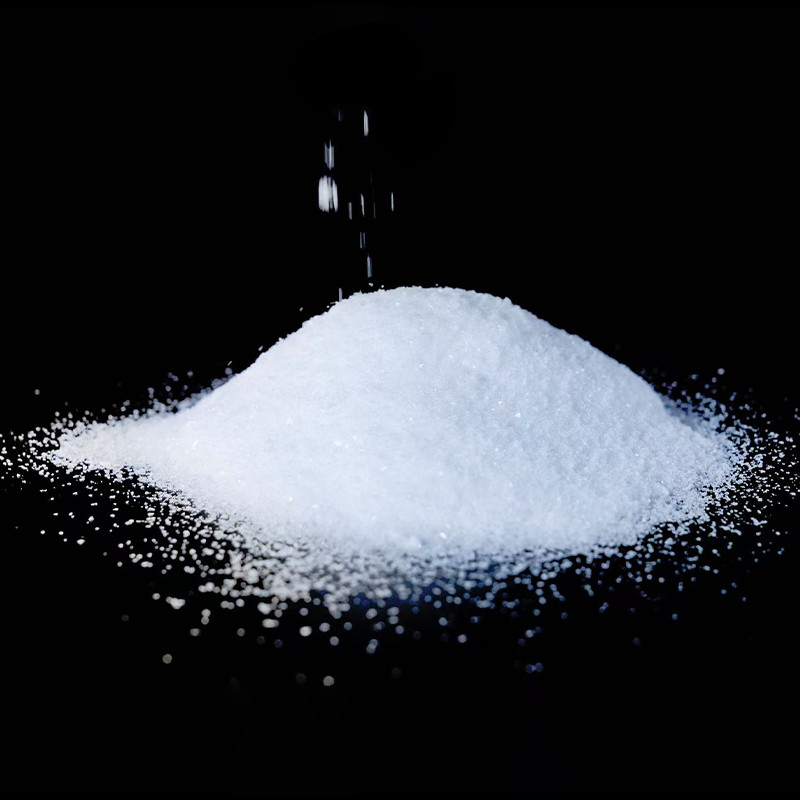
Strict segregation procedures must be followed when storing the material. Azobisisoheptonitrile is a high-risk fine chemical in the initiator category and must be stored in a separate designated area. It must not be stored together with oxidizing agents, strong acids, strong bases, or flammable and explosive materials. Mixing materials with different chemical properties can trigger chain reactions and create safety risks. Use dedicated shelving and pallets, and prevent direct contact with the floor. The stacking height must also be controlled to prevent packaging damage or decomposition under pressure caused by stacking.
Proper procedures are equally critical during transportation. Transport vehicles must be licensed to carry hazardous chemicals, and measures must be taken throughout the journey to protect the material from light and heat and to control its temperature. Prolonged exposure to sunlight and transport at high temperatures must be avoided. Handle the material gently during loading and unloading; do not throw, drop, roll, or subject it to severe vibration. Workers must wear protective equipment such as gloves and dust masks to avoid direct contact with material dust. Cargo must be secured during transport to prevent packaging damage and leakage caused by jolting or compression.
In addition, companies must maintain routine inspection records. Regularly check the integrity of the packaging and the stability of warehouse temperatures, and promptly identify any deteriorated, damp, or damaged material. Abnormal material must be isolated and stored separately, then handled in compliance with applicable requirements. Companies must also provide specific training for personnel so that they understand the material's properties, storage and transportation restrictions, and emergency response procedures.
In summary, the key requirements for storing and transporting azobisisoheptonitrile are temperature control, protection from impact, and segregated storage. Only by strictly implementing management procedures throughout storage, transportation, and inspection, and avoiding improper practices, can the material's performance be maintained and safety hazards eliminated at the source, ensuring safe and orderly industrial production.
Other News
- Key Points for the Storage and Transportation of 2,2′-Azobis(2-methylbutyronitrile)
- What Are the Differences Between High-Purity Thiourea and Standard Industrial-Grade Thiourea?
- Beware of Safety Risks! Precautions for Storing Calcium Hypochlorite
- Don't Confuse Them! What Is Calcium Hypochlorite?
- Sodium Hydroxide (Caustic Soda) Safety Guide
- Caustic Soda ≠ All-Purpose Cleaner! Learn About the True Properties of Sodium Hydroxide