


News & Information
Sodium Hydroxide (Caustic Soda) Safety Guide
Industrial sodium hydroxide, commonly known as caustic soda or lye, is a basic and widely used strong alkali in the chemical industry. It is used across numerous industrial sectors, including wastewater treatment, papermaking and textile dyeing, metal cleaning, and chemical synthesis. Because it can remove grease and dirt and break down impurities, some company operators and members of the public have only a limited understanding of it and overlook its highly corrosive nature and the precautions required for its use. This can lead to equipment damage, environmental pollution, and personal injury. Providing safety information and promoting proper use of industrial-grade sodium hydroxide are important aspects of chemical production and everyday applications.
Industrial sodium hydroxide is a white, flake- or granule-shaped solid. It is readily soluble in water, and its dissolution releases a large amount of heat. Its aqueous solution is strongly alkaline. Unlike food-grade and reagent-grade sodium hydroxide, industrial-grade products have lower purity and contain small amounts of impurities such as carbonates and heavy metals. They are intended solely for industrial production and must never be used in food processing, household cleaning, or applications involving human contact. This is a fundamental safety rule for their use.
In industrial production, sodium hydroxide is primarily used to saponify grease, neutralize acidic wastewater, and remove impurities from materials. However, its chemical properties make it indiscriminately corrosive: it can break down industrial waste and grease, but it can also corrode metals, plastics, rubber, and other materials. Prolonged improper use can corrode production equipment and pipe seals, causing equipment deterioration, damage, and leaks. This not only increases maintenance costs but can also disrupt normal production line operations.
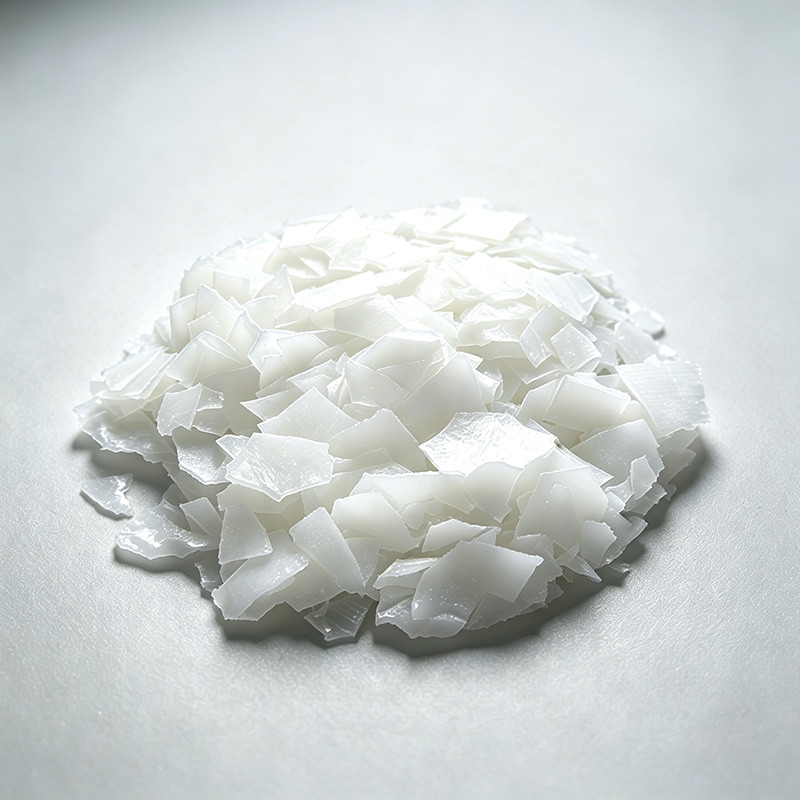
Personal protection is essential when using industrial sodium hydroxide. Both the solid powder and concentrated solutions are highly corrosive. Direct skin contact can quickly cause chemical burns, resulting in redness, swelling, and ulceration. Inhalation of dust or alkaline mist can irritate the respiratory tract and cause discomfort such as a sore throat and coughing. Splashes into the eyes can damage the cornea and cause irreversible injury. Therefore, everyone who handles or works with industrial caustic soda must wear alkali-resistant protective clothing, protective gloves, and goggles, and follow proper protection procedures throughout the work.
Industrial sodium hydroxide must also be stored in accordance with strict requirements. It should be kept in a dedicated, dry, well-ventilated storage room away from direct light, acidic chemicals, and flammable or explosive materials. It must never be stored together with these substances. Contact between acids and alkalis can trigger a violent chemical reaction that releases large amounts of heat and irritating gases, creating risks of explosion and poisoning. The storage environment must also be kept dry to prevent the material from absorbing moisture, caking, or deliquescing, which could impair its performance and create safety hazards.
After daily work is completed, the work area should be cleaned promptly, and any residual alkaline solution on equipment and floors should be rinsed away with clean water to prevent continued corrosion. Operators should clean their hands and clothing promptly after work to prevent harm from indirect contact.
In summary, industrial sodium hydroxide is a useful industrial raw material, but it also presents significant risks. Relevant personnel must thoroughly understand its physical and chemical properties, operating procedures, storage precautions, and emergency response measures. By avoiding careless handling and strictly following safety procedures, they can effectively mitigate various safety hazards and ensure safe, orderly production operations.
Other News
- Key Points for the Storage and Transportation of 2,2′-Azobis(2-methylbutyronitrile)
- What Are the Differences Between High-Purity Thiourea and Standard Industrial-Grade Thiourea?
- Beware of Safety Risks! Precautions for Storing Calcium Hypochlorite
- Don't Confuse Them! What Is Calcium Hypochlorite?
- Sodium Hydroxide (Caustic Soda) Safety Guide
- Caustic Soda ≠ All-Purpose Cleaner! Learn About the True Properties of Sodium Hydroxide