


News & Information
Caustic Soda ≠ All-Purpose Cleaner! Learn About the True Properties of Sodium Hydroxide
In the world of household cleaning, caustic soda has long been regarded by many as a “powerful stain remover.” When faced with a blocked drain or a stovetop covered in heavy grease, many people instinctively buy caustic soda, mix it with water, and pour it down the drain or over the surface, believing it can tackle any stubborn stain. But caustic soda is not an all-purpose cleaner. It is actually the chemical sodium hydroxide, which is highly corrosive. If used improperly, it may not only fail to clean effectively but also damage items, burn skin, and pose considerable safety risks. Today, let’s take a closer look at what sodium hydroxide really is.
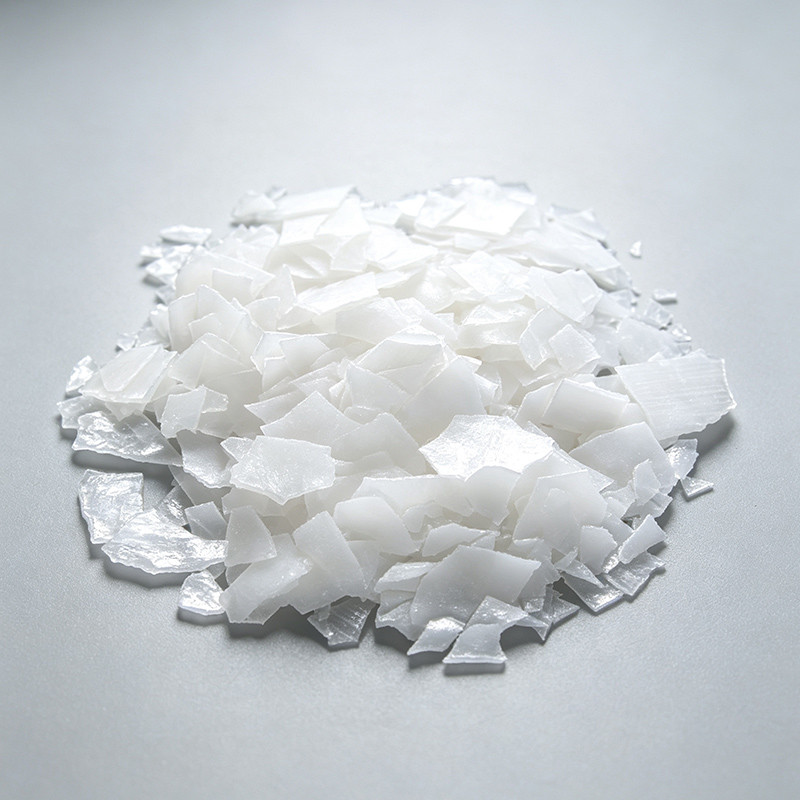
Sodium hydroxide, commonly known as caustic soda, lye, or caustic alkali, is usually a white flake- or granular-form solid at room temperature. It dissolves readily in water, releasing a large amount of heat in the process. As a strong alkali, it reacts with fats through saponification, breaking down stubborn grease. This is the main reason for its powerful cleaning action. Thanks to this property, it is widely used in industrial cleaning, wastewater treatment, and other fields. However, powerful cleaning performance does not mean it is suitable for every household cleaning task.
Many households mistakenly assume that whenever a pipe becomes blocked, they should immediately pour in a caustic soda solution. In fact, blockages can have many causes. Caustic soda may help to some extent with clogs caused by hair, food residue, or hardened grease. But it has no effect on blockages caused by cement, gravel, plastic, or other debris. Moreover, frequent or prolonged use of caustic soda to clear pipes can corrode aluminum pipes and old rubber seals. Over time, this can cause leaks, making the problem worse rather than better.
The safety risks of sodium hydroxide must not be overlooked. Highly concentrated caustic soda solutions are strongly corrosive. Direct contact with skin can cause chemical burns within a short time, resulting in redness and blisters; in severe cases, they can damage deeper tissue. Accidental splashes in the eyes are even more dangerous. Inhaling sodium hydroxide dust, which may become airborne along with water vapor, can also irritate the respiratory tract and cause coughing and throat discomfort.
If you do need to use caustic soda for cleaning, be sure to take full protective measures. Wear alkali-resistant gloves and goggles, keep the work area well ventilated, and strictly follow the specified dilution ratio. Never handle solid caustic soda with your bare hands. Do not mix caustic soda with toilet bowl cleaner or chlorine-based disinfectants. They can react with each other and release harmful gases, potentially causing poisoning. After cleaning, rinse the surfaces of items repeatedly with plenty of water to remove any residual alkaline solution and prevent injury from subsequent indirect contact.
In terms of its applications, sodium hydroxide is primarily an industrial raw material. Its main uses are in industries such as factory wastewater treatment, papermaking, textile dyeing and finishing, and metal cleaning. In everyday life, we can simply choose finished cleaning products that are milder and better suited to household use. These products are scientifically formulated to provide appropriate cleaning power with lower corrosivity, making them safer and more convenient to use.
In short, caustic soda is a double-edged sword: it offers powerful cleaning performance but also carries significant safety risks. We should take a sensible view of sodium hydroxide’s cleaning capabilities, abandon the misconception that it is an all-purpose cleaner, recognize the distinction between industrial raw materials and household cleaning products, and use chemicals responsibly to protect our homes and personal safety.
Other News
- Key Points for the Storage and Transportation of 2,2′-Azobis(2-methylbutyronitrile)
- What Are the Differences Between High-Purity Thiourea and Standard Industrial-Grade Thiourea?
- Beware of Safety Risks! Precautions for Storing Calcium Hypochlorite
- Don't Confuse Them! What Is Calcium Hypochlorite?
- Sodium Hydroxide (Caustic Soda) Safety Guide
- Caustic Soda ≠ All-Purpose Cleaner! Learn About the True Properties of Sodium Hydroxide