

Products
Product Introduction
I. Basic Information
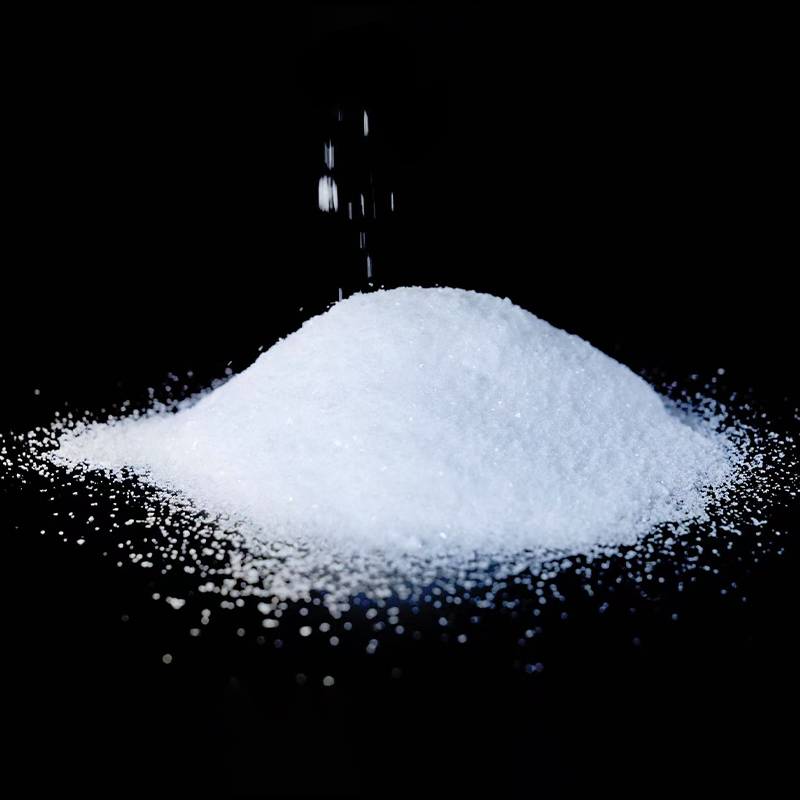
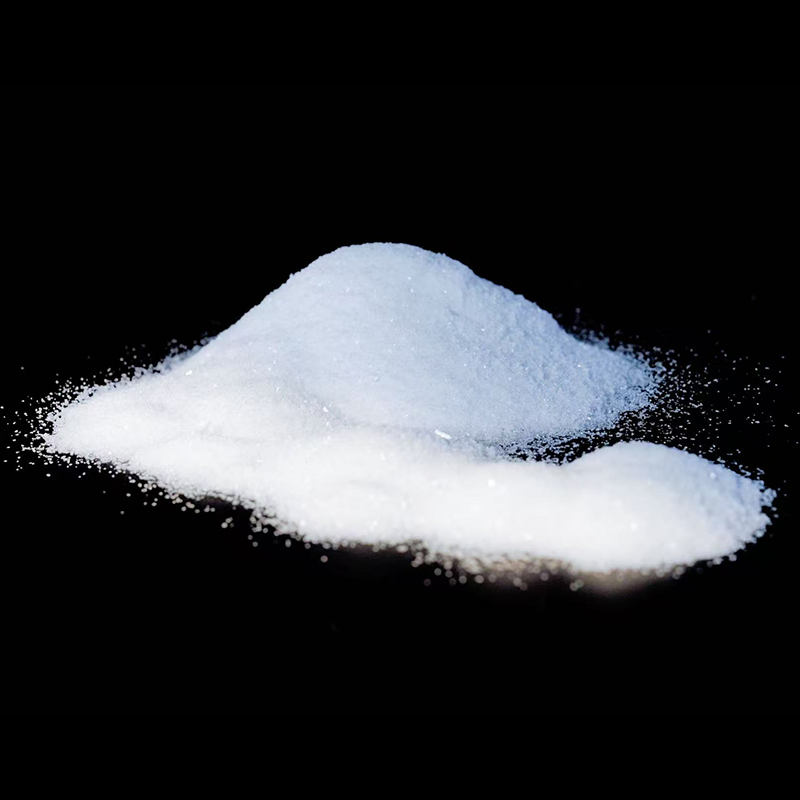
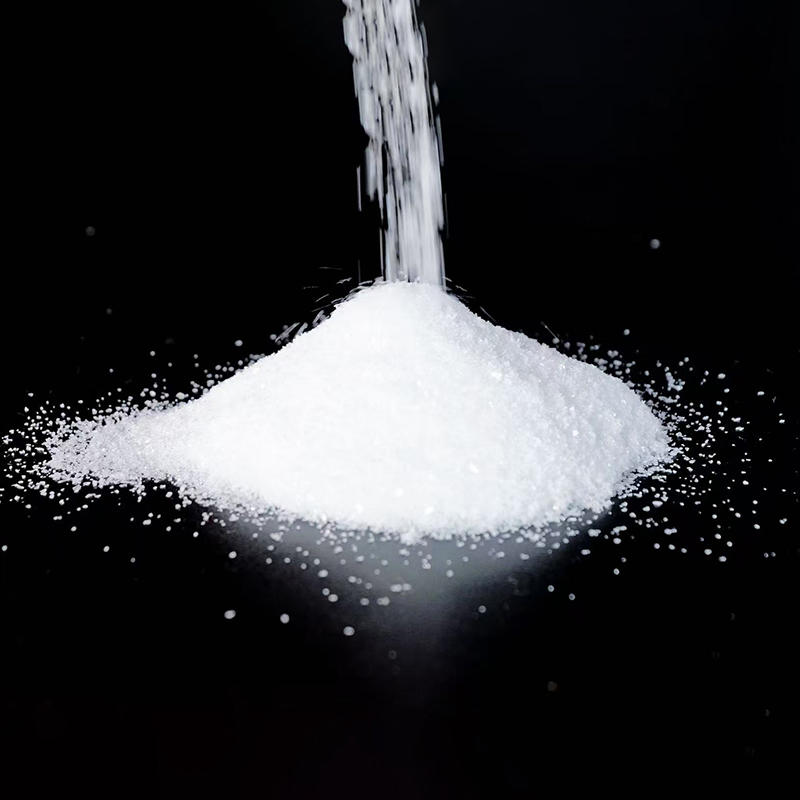
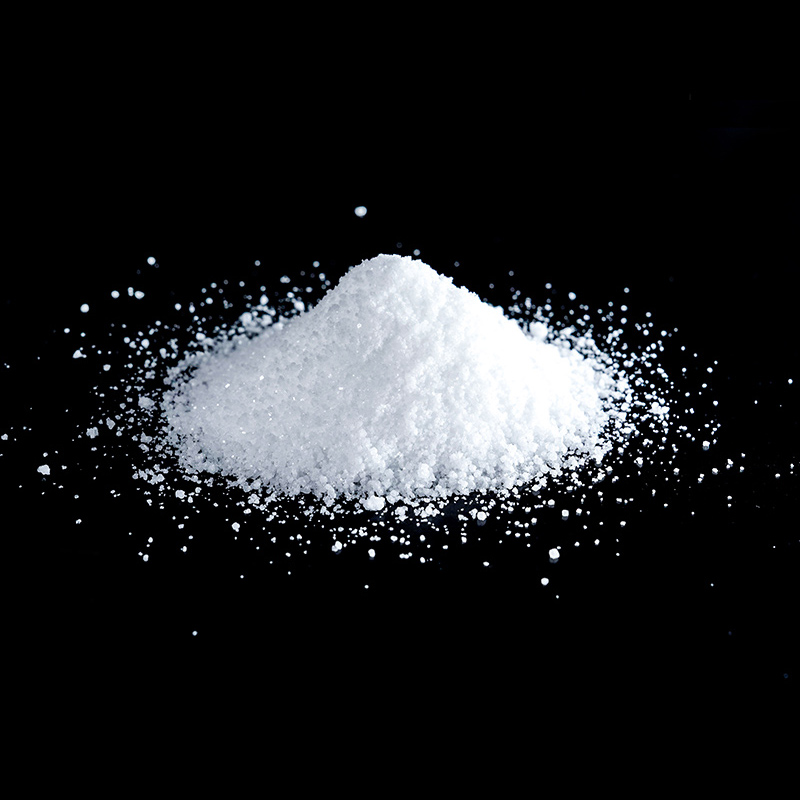
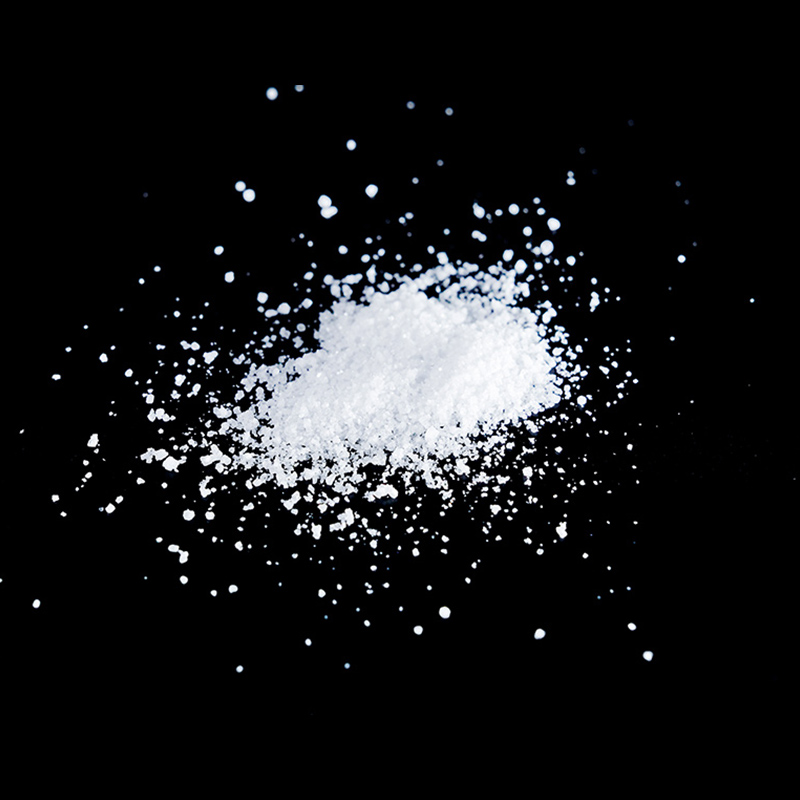
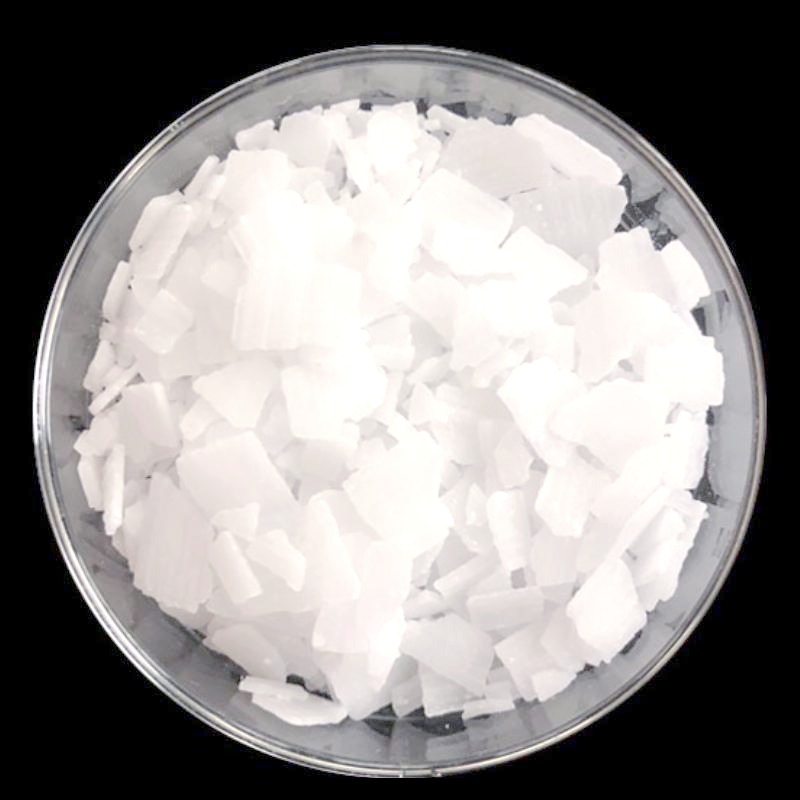
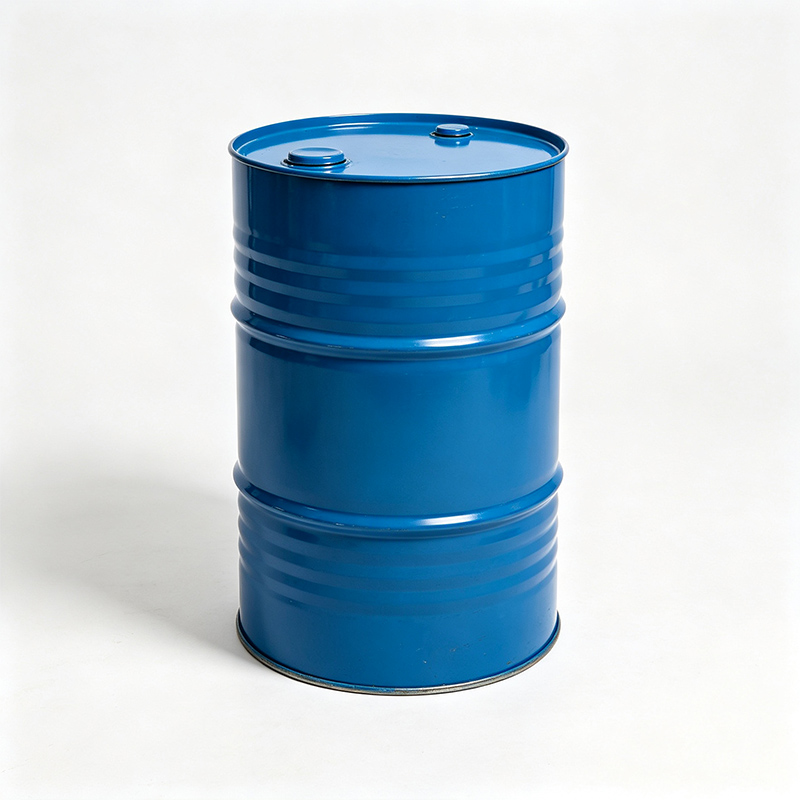
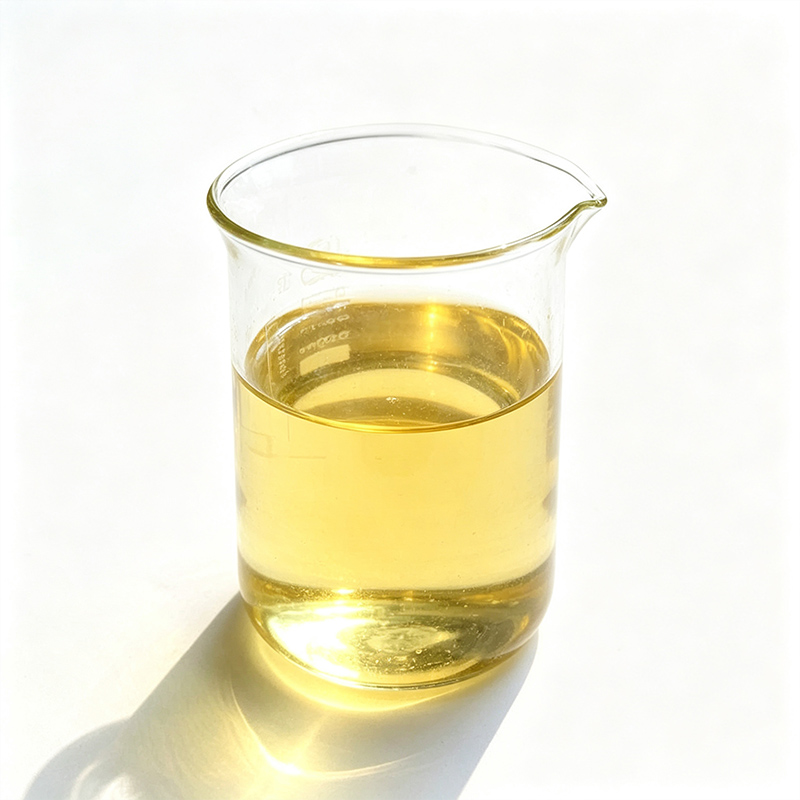
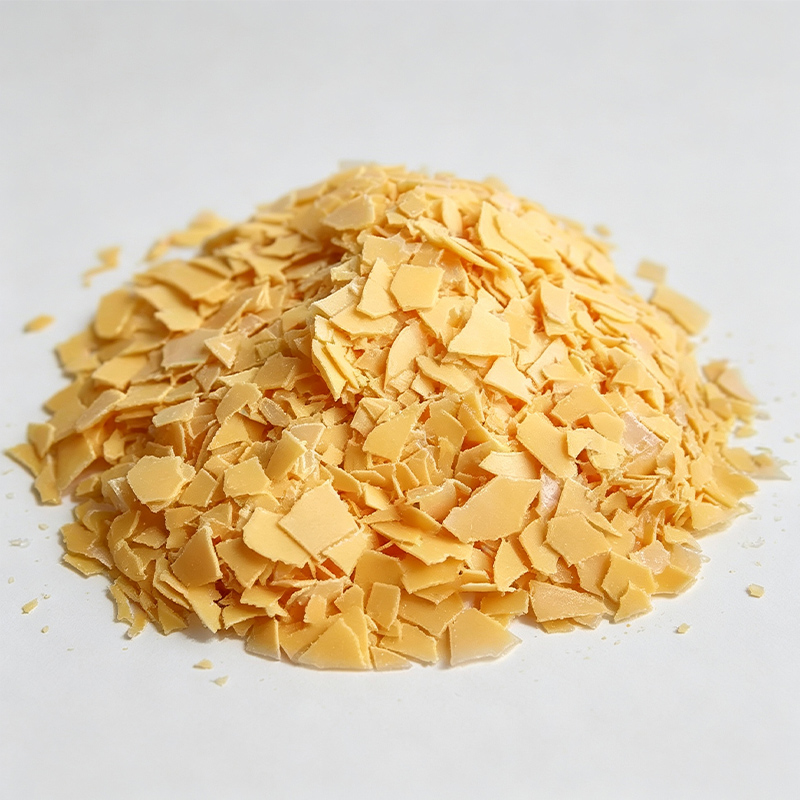
Sodium sulfide (Sodium Sulfide), commonly known as sodium sulfide alkali, has the chemical formula Na₂S and CAS No. 1313-82-2.
Physical and Chemical Properties:
Hygroscopic; absorbs moisture from humid air and releases hydrogen sulfide gas (with a rotten egg odor)
Readily soluble in water; its aqueous solution is strongly alkaline and corrosive
Decomposes in contact with acids, producing toxic hydrogen sulfide gas
Readily oxidized in air
II. Main Uses
Sodium sulfide is an important inorganic chemical raw material, widely used in the following fields:
Messages
Related Products
") 2,2′-Azobis(2,4-dimethylvaleronitrile)Applications: Widely used in the suspension polymerization of polyvinyl chloride. It can also be used as an initiator for polymeric synthetic materials such as polyacrylonitrile, polyvinyl alcohol, and plexiglass, and as a foaming agent for rubber and plastics.
2,2′-Azobis(2,4-dimethylvaleronitrile)Applications: Widely used in the suspension polymerization of polyvinyl chloride. It can also be used as an initiator for polymeric synthetic materials such as polyacrylonitrile, polyvinyl alcohol, and plexiglass, and as a foaming agent for rubber and plastics.
Properties: White rhombic crystals; soluble in alcohols, ethers, and organic solvents, but insoluble in water. It readily decomposes when heated, releasing nitrogen gas and sometimes generating cyano-containing free radicals.Learn More
") 2,2′-Azobis(2-methylbutyronitrile)Applications: Used in the suspension polymerization of polyvinyl chloride. It can also be used as an efficient initiator for polymeric materials such as polyacrylonitrile, polyvinyl alcohol, and acrylic glass. It can also be used as a foaming agent for rubber and plastics.
2,2′-Azobis(2-methylbutyronitrile)Applications: Used in the suspension polymerization of polyvinyl chloride. It can also be used as an efficient initiator for polymeric materials such as polyacrylonitrile, polyvinyl alcohol, and acrylic glass. It can also be used as a foaming agent for rubber and plastics.
Properties: White crystals, insoluble in water but soluble in organic solvents such as alcohol, ether, and toluene. Melting point: 48~52℃. Decomposes at room temperature. Store below 10℃.Learn More
 AzobisisobutyronitrileAppearance: White crystals or powder, insoluble in water and readily soluble in organic solvents such as methanol, ethanol, acetone, and ether. Melting point: 100–103°C. Unstable when heated and easily decomposes, rendering it ineffective. Store below 20°C.
Uses: As a polymerization initiator for monomers used to manufacture polyvinyl chloride, polyvinyl alcohol, polymer polyols, polystyrene, and polyacrylonitrile; as a foaming agent for rubber and plastics.Learn More
 High-purity thioureaHigh-purity thiourea (molecular formula: SC(NH₂)₂, CAS No.: 62-56-6) is a white, lustrous crystalline substance with a bitter taste. It is readily soluble in water and has distinctive reducing and complexing properties. It is an upgraded, further-processed product derived from standard industrial-grade thiourea. By strictly controlling impurity levels, it achieves a purity far exceeding conventional standards.
Compared with industrial-grade thiourea, the key advantage of high-purity thiourea is its extremely low levels of metal-ion impurities (such as sodium, potassium, iron, and copper) and anionic residues. This makes it indispensable in technology sectors that are highly sensitive to impurities, and a key fine chemical connecting basic chemicals with high-value-added industries.Learn More
 Thiourea
Learn More
") Cumene hydroperoxide (CHP)Appearance: Colorless or pale yellow transparent liquid
Cumene hydroperoxide (CHP)Appearance: Colorless or pale yellow transparent liquid
Assay (% m/m): 81~85
Color: 0~100
Active oxygen (% m/m): 8.51~8.93
Acidity (pH): 4.0~8.0
Density kg/m³: 1030~1050Learn More
") Dicumyl peroxide (DCP)CAS: 80-43-3
Dicumyl peroxide (DCP)CAS: 80-43-3
Appearance: White crystals
Purity: ≥99%
Melting point: ≤0.02%
Active oxygen: ≤0.02%Learn More
 Calcium hypochlorite
Learn More
 Potassium hydroxidePotassium hydroxide is a strongly alkaline chemical raw material that plays a key role in numerous industrial and consumer applications due to its unique chemical properties.
Learn More
 DicyclopentadieneMolecular formula: C10H12
Molecular weight: 132.21
CAS NO: 77-73-6Learn More
 tert-ButanolEnglish name: tert-Butanol
Chemical formula: C4H10O
Molecular weight: 74.12
Melting point: 25.7°C
CAS No.: 75-65-0Learn More
 Dimethyl disulfideChemical formula: C₂H₆S₂
Molecular weight: 94.19
CAS No.: 624-92-0Learn More
 Sodium diisobutyl dithiophosphinateEnglish name: Sodium disobutyl dithiophosphate
Molecular formula: C8H18NaPS2
Relative molecular mass: 232.32Learn More
 FurfuralEnglish name: Furfural; 2-Furaldehyde
Chemical formula: C₅H₄O₂
Molecular weight: 96.09
CAS No.: 98-01-1Learn More
 Sodium sulfide
Learn More